Track Chairs of Track 1: Educational Technologies and Systems
 Dr. Di Zhang
Zhejiang Normal University, China
Bio: Zhang, Di, Ph.D., is a full-time faculty member at
Zhejiang Normal University and a core researcher at the Zhejiang Key
Laboratory of Intelligent Education Technology and Application. His
research spans intelligent education, game-based learning, and STEM
education, with notable achievements in personalized learning,
situated learning, and the cultivation of artificial intelligence
literacy. He has led two national-level and one provincial-level
research project, and has participated in multiple national
initiatives, including a key philosophy and social sciences project
supported by the Ministry of Education. He has published 12
SSCI/SCI-indexed papers and serves as a reviewer for international
journals such as Computers & Education, Journal of Computer Assisted
Learning, and Educational Technology & Society.
 Prof. Min Xu
Capital Normal University, China
Bio: Dr. Min Xu is a Professor and Ph.D. Supervisor at the School of Information Engineering, Capital Normal University. She received her Ph.D. in Computer Application Technology from the School of Information, Renmin University of China, and was a visiting scholar at Duke University in 2019, working with Prof. Yiran Chen. Her research primarily focuses on Artificial Intelligence in Education, Intelligent Classroom Analytics, Personalized Learning, and Computing Education, with supporting expertise in Computer Vision, Biometrics, and Visual Anomaly Detection. Along the “AI for Education” research line, she has served as Principal Investigator on multiple national grants, including the National Key R&D Program sub-project on “Personalized Training Plan Generation for Stage-Specific Cultivation of Adolescent Innovation Competencies” (2026–2029), the NSFC General Program on “Intelligent Assessment of Online Classroom Engagement via Visual Feature Analysis” (2022–2025), and the National Key R&D Program sub-project on “Collaborative Component Library for Science and Technology Services” (2019–2022). Her work has appeared in IEEE T-IFS, IEEE TAC, Pattern Recognition, CVPR, FG, and other top venues, and her supervised graduate students swept all three tracks of the IEEE FG 2021 Recognizing Families in the Wild (RFIW) Challenge and received the Best Paper Award at FG RFIW 2021, while her team also won first place across all multi tracks of the NTIRE 2026 Challenge on Light Field Image Super-Resolution (CVPR 2026 Workshop).
 Assoc. Prof. Qifan Yang
Fujian Normal University, China
Bio: Dr. Qifan Yang is an associate professor, doctoral supervisor, master supervisor, and postdoctoral co-supervisor in the College of Education of
Fujian Normal University. Dr. Yang serves as an editorial board member and a reviewer for more than 10 academic journals. His main research interests are:
educational robotics, artificial intelligence educational applications, and VR and AR-assisted teaching. Dr. Yang has published more than ten papers in
SSCI Q1 journals. Dr. Yang also presides over the National Natural Science Foundation of China, the Education Science Planning of Fujian Province,
and the Social Science Foundation of Fujian Province.
Track Chairs of Track 2: Computer-supported Collaborative Learning and Social Computing
 Assoc. Prof. Jianjiang Hao
Northwest Normal University, China
Bio: Hao Jianjiang, PhD., is an Associate Professor and
Master's Supervisor at the School of Educational Technology (School of
Intelligent Education), Northwest Normal University. His research focuses on the
educational applications of intelligent technology, educational informatization
planning, digital transformation of rural education, and teacher professional
development. He has led or participated in numerous national and provincial
projects, including the development of the intelligent educational literacy
framework, application standards for smart education platforms, benchmark
standards for smart education schools, model standards for smart campuses in key
county-level high schools, innovative applications of intelligent agents in
teaching, establishment of rural "cloud schools",and promoting high-quality
development in rural education. He has also published extensively on topics such
as teachers' intelligent educational literacy, teacher professional development,
educational applications of intelligent technology, and rural education.
Track Chairs of Track 3: Artificial Intelligence in Education
 Assoc. Prof. Xing Li
Jianghan University, China
Bio: Dr. Xing Li is an associate Professor in School of
Education at Jianghan University. She is
also the associate director of the Academic
Affairs Office at Jianghan University. She
earned her Ph.D. in Educational technology
from Central China Normal University and her
master degree at The Ohio State University.
The driving question behind her current
research is how to design, develop and
integrate STEM and Artificial intelligence
promoting students’ computational thinking
and problem solving in digital learning
environment to achieve a positive impact on
student success.
Her scholarly contributions have been
published in some journals mainly in
education fields, such as Journal of
Research on Technology in Education.
Recently, Dr. Li's research endeavors have
concentrated on exploring the impact and
benefits of Generative AI and virtual
reality on computational thinking within
educational contexts.
 Assoc. Prof. Xu Lu
Jianghan University, China
Bio: Xu Lu, Ph.D. in Educational Economics, Associate Professor, Master’s Supervisor. She earned her doctorate from the Department of Educational Economics, School of Education, Central China Normal University. Her current research focuses on learning behaviors and effectiveness evaluation in immersive education, as well as basic education policy.
She has presided over 3 national and provincial/ministerial-level research projects and 3 bureau-level projects, and has participated as a key member in 5 national-level projects, including one major research project of the Ministry of Education. She has published over 20 academic papers in domestic and international journals such as Education and Economy, Journal of the Chinese Society of Education, Journal of Central China Normal University (Humanities and Social Sciences), and SAGE Open. One of her papers has been reprinted in full by Xinhua Digest, and another by the Renmin University Copy Center. She is the sole author of one academic monograph. Her awards include the Second Prize of the 6th National Outstanding Achievement Award in Educational Science Research, the Third Prize of the Hubei Provincial Party Building Research Outstanding Achievement Award, and the First Prize of the Wuhan Municipal Educational Science Planning Outstanding Paper Award.
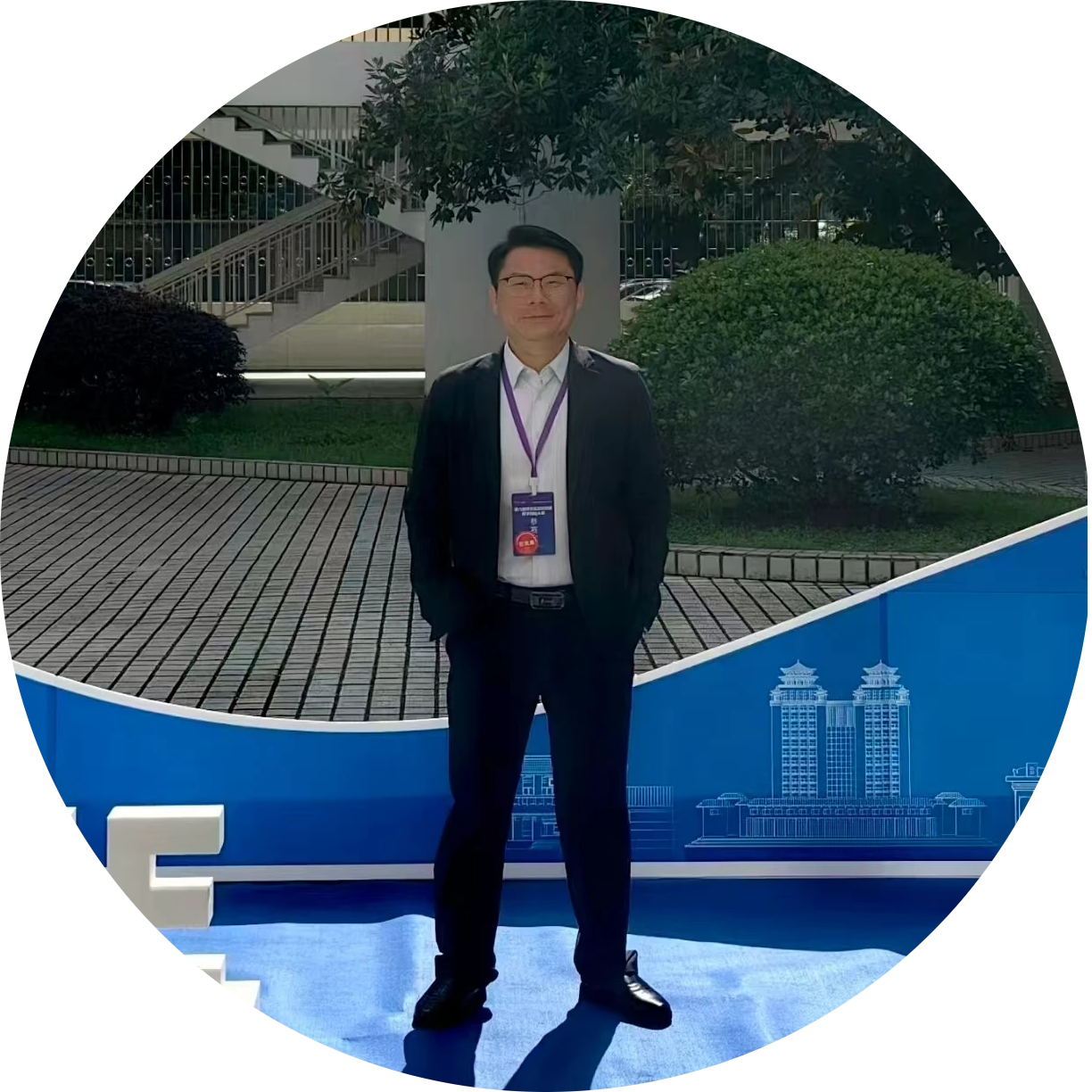 Assoc. Prof. Di Ai
Jianghan University, China
Bio: Di Ai is an Associate Professor and Master’s Supervisor at Jianghan University. He received his Master’s degree from Central China Normal University and was a Visiting Scholar at Kent State University, USA. His teaching and research interests focus on Virtual Reality and Intelligent Interaction Technology. He serves as the head of a Provincial First-Class Undergraduate Course. He is a recipient of Second and Third Prizes in the Hubei Provincial Teaching Innovation Competition for University Teachers, and has been honored with the Jianghan University Teaching Quality Award and Teaching Achievement Award on multiple occasions. He has authored two professional textbooks as chief editor, participated in multiple provincial and municipal research and teaching projects, and published over ten academic papers. Under his mentorship, students have won more than 20 national awards and nearly 100 provincial-level or above honors in academic competitions.
Track Chairs of Track 4: STEM Education and Computational Thinking
 Prof. Zhuming Nie
Anhui Normal University, China
Bio: Nie Zhuming, Professor, Doctoral Supervisor, Executive
Dean of the Institute of Intelligent
Education at Anhui Normal University, Vice
Dean of the School of Teacher Education, and
Member of the Standardization Committee of
Education Informatization Technology of the
Ministry of Education of China.
 Assoc. Prof. Wei Wang
Northeast Normal University, China
Bio: Wei Wang, Associate Professor at Northeast Normal
University, Ph.D. in Education and
Technology, and Master’s Supervisor. She
concurrently serves as a Standing Director
of the Information Technology Education
Committee of the China Association for
Educational Technology , a Council Member
of the National Association for Computer
Basic Education in Higher Education and
Deputy Secretary-General of its Youth
Programming Education Committee, and a
Member of the Standing Committee of the
CCF PTA Technical Committee.
Her scholarly work centers on Information
Technology Education, Smart Education, and
AI-Enhanced Teacher Education. She has
published papers in CSSCI and leading
academic journals, and has published 11
academic monographs and textbooks. Her
research portfolio includes projects funded
by the National Natural Science Foundation
of China, the National Education Science
Planning, and the Jilin Provincial
Department of Education. Her contributions
have been recognized with the Jilin
Province Education Science Excellent
Achievement Award and the Higher Education
Scientific Research Achievement Award, and
she was named to the Top 5% Highly Cited
Scholars list on CNKI in 2024.
Track Chairs of Track 5: Educational Data Mining and Learning Analytics
 Assoc. Prof. Yan Liu
Shanghai Jiao Tong University, China
Bio: Associate Professor and Doctoral Supervisor at the
School of Education, Shanghai Jiao Tong
University. Holds a Ph.D. and completed
post-doctoral research in Educational
Technology from East China Normal
University. Was a Visiting Scholar at the
University of North Texas, USA. Awarded the
‘Shanghai Super Postdoctoral (Excellence
Program)’ title. Member of the Specialized
Committee on Information Technology
Education for Primary and Secondary Schools,
Chinese Society of Education. Member of the
Baoshan District Education Digital
Transformation Decision-Making Advisory
Expert Group.
Has published over thirty academic papers
and has granted funding for over 20 research
projects, including:The 2024 Youth Project
of the National Natural Science Foundation
of China;The 2023 General Project in
Education of the National Social Science
Foundation;The 2020 Youth Project of the
National Social Science Foundation;The
Shanghai Municipal Government
Decision-Making Consultation Project on
Education Policy.
Main research focuses on the intersection of
education and artificial intelligence
(Artificial Intelligence in Education,
AIED), with a particular emphasis on:(1) the
design and pedagogical practice of human-AI
collaborative learning within the context of
AI-enhanced interdisciplinary
instruction;(2) exploring methodologies for
cultivating higher-order thinking skills,
including but not limited to
problem-solving, critical thinking, and
scientific inquiry abilities.
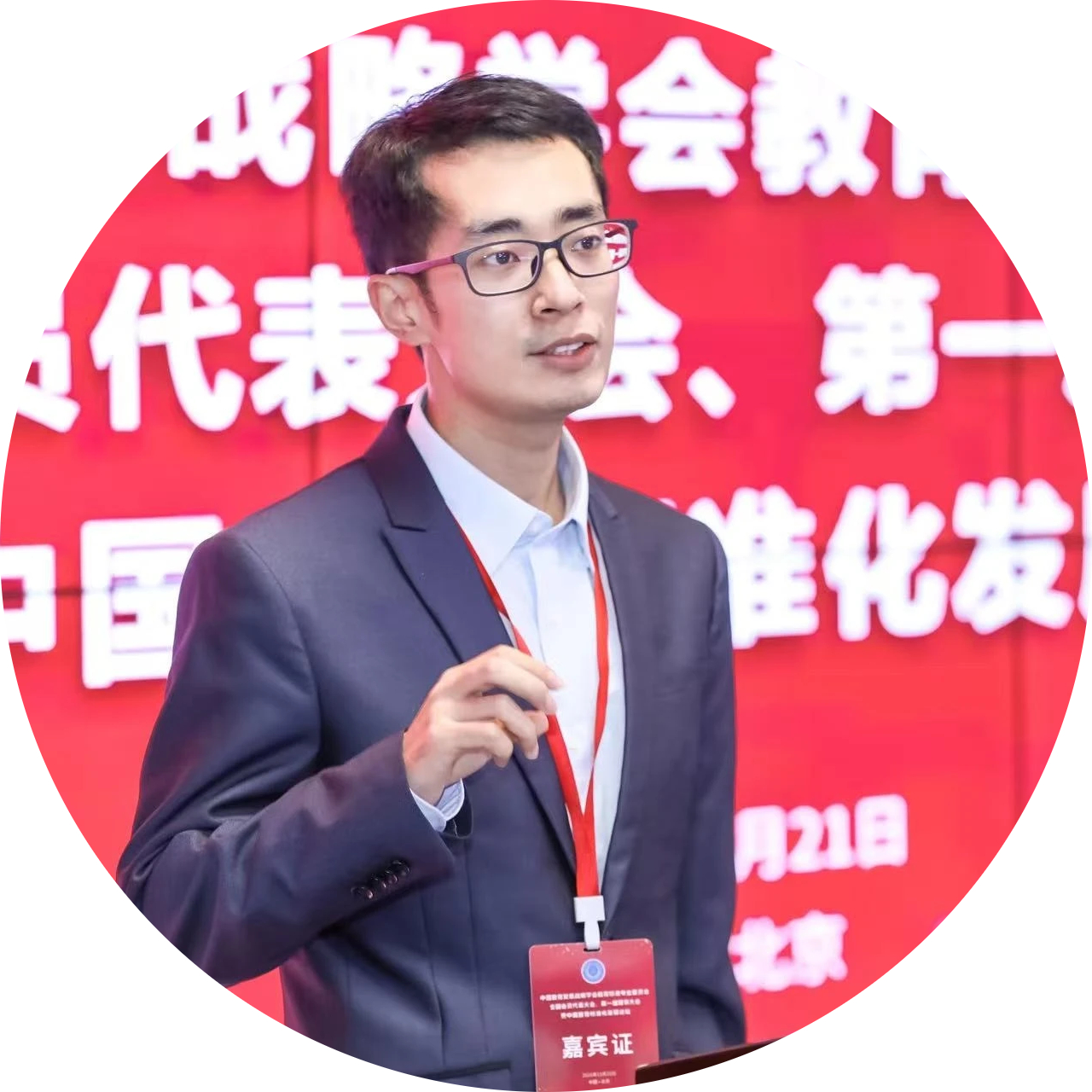 Assoc. Prof. Qi Wang
Beijing Foreign Studies University, China
Bio: Wang Qi is an associate professor at Artificial Intelligence and Human Languages Lab, Beijing Foreign Studies University. He is the co-director of the center of Higher Education, BFSU. His research interests include learning science, technology-enhanced learning design, and context-aware adaptive learning. He has led multiple national, provincial, and ministerial-level projects centered around these research areas, published over 40 academic papers, obtained multiple invention patents, and played a core role in the release of one international standard.
Track Chairs of Track 6: Digital Technologies for Human Development
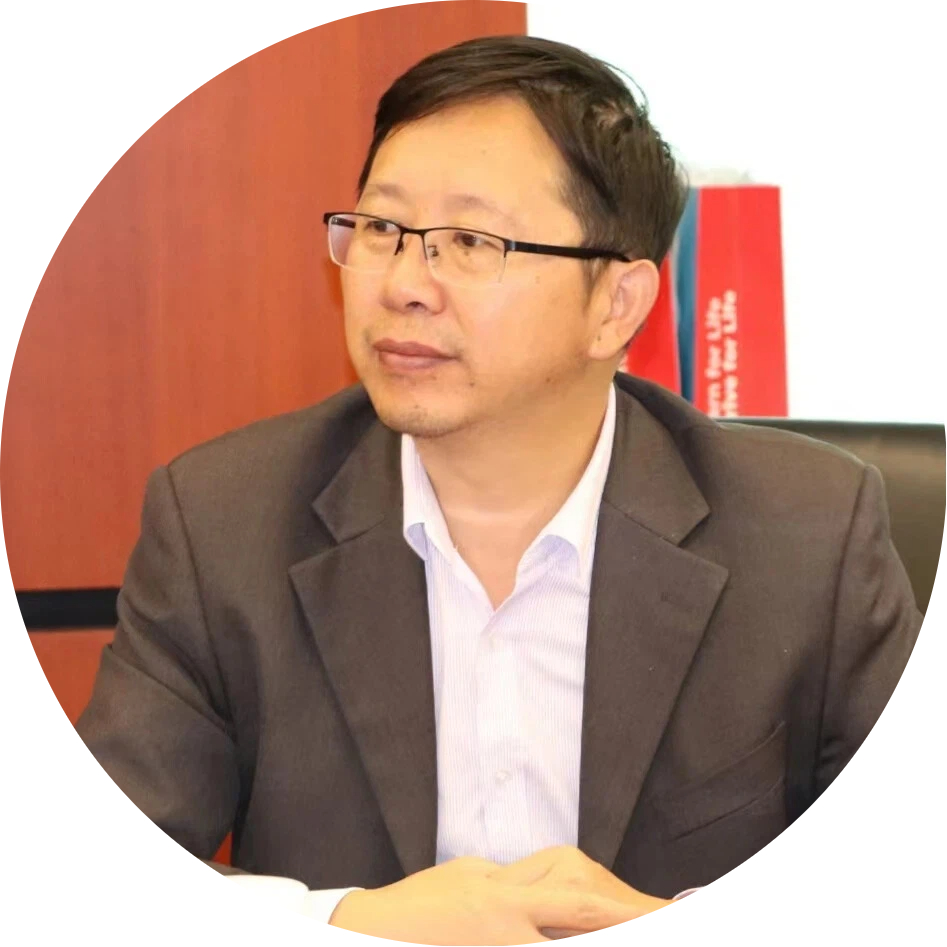 Prof. Weidong Chen
Soochow University of Science and Technology, China
Bio: Chen Weidong is the Dean of the School of
Education/Normal College at Soochow
University of Science and Technology. He
holds the titles of Professor, Postdoctoral
Fellow, and Master's Supervisor. He earned
his Ph.D. in Educational Technology from
East China Normal University and has been a
visiting scholar at Stockholm University in
Sweden and Hong Kong Metropolitan
University. He is recognized as an Academic
Leader for Young and Middle-Aged Scholars in
the "Qinglan Project" of Jiangsu Province
and has been honored as an Outstanding Young
Backbone Teacher. Additionally, he serves as
the Director of the New Media Interaction
Design and Application Research Institute.
Currently, he holds several key positions,
including Vice Chairman of the Educational
Game Professional Committee of the China
Association for Educational Technology,
Standing Committee Member of the Intelligent
Educational Technology Professional
Committee of the Chinese Association for
Artificial Intelligence, Chairman of the
Academic Committee of the Jiangsu Provincial
Key Laboratory of Cultural and Tourism for
Museum Digital Twin Perception Technology,
and Member of the Academic Committee of the
Shanghai International Studies University
Key Laboratory of Multilingual Smart
Education.
His main research areas include smart
education and future classrooms, educational
games and gamified learning, as well as new
media interaction design and application. He
has led more than six provincial-level or
higher research projects and over ten
municipal or departmental-level projects. He
has authored two monographs and served as
chief or deputy editor of three textbooks.
Additionally, he has published more than 50
papers in core journals, including
CSSCI-indexed publications. His teaching and
research achievements have earned him
numerous awards, such as the Jiangsu
Provincial Teaching Achievement Award, the
Special Prize in the Jiangsu Provincial
College Excellent Multimedia Teaching
Courseware Selection, the Jiangsu Provincial
Higher Education Philosophy and Social
Science Achievement Award, and the Suzhou
City Philosophy and Social Science
Achievement Award.
 Assoc. Prof. Yunfu Li
Xi'an Jiaotong University, China
Bio: Yunfu Li, PhD in Education, is an Associate Research
Fellow at the West China Higher Education
Evaluation Center (Institute of Higher
Education) of Xi'an Jiaotong University, and
a Full-time Research Fellow at the Shaanxi
Higher Education Evaluation Research Center
— a key research base for philosophy and
social sciences in Shaanxi. He mainly
engages in research and practice in the
fields of higher education evaluation,
educational digital reform, and teacher
education. He has presided over 1 project of
the Humanities and Social Sciences Research
Program of the Ministry of Education and 1
project of the Xi'an Social Science Fund. He
has also participated in more than 20
national and provincial-level projects. As
the first author, he has published more than
20 academic papers in CSSCI, Peking
University Core. He has also published 1
academic monograph, edited 2 teaching
materials, and co-authored 2 works.
Track Chairs of Track 7: Inclusive EdTech: Diversity, Equity, and Innovative Pedagogies
 Prof. Leilei Zhao
Nanjing Normal University, China
Bio: Leilei Zhao is a Professor at the School of Educational Science, Nanjing Normal University, where he serves as the Secretary of the Party Branch of the Department of Educational Technology and Director of the Digital Curriculum Ideological and Political Education Research Center. He concurrently holds positions as Vice Chairman of the School Culture Research Professional Committee of the China Tao Xingzhi Research Society, Standing Council Member of the 6th Council of the Chinese Society for Inquiry Learning, Standing Committee Member of the Science Education Professional Committee for Primary and Secondary Schools under the China Educational Technology Association, Expert Committee Member of the Artificial Intelligence Professional Committee under the China Educational Technology Association, and Deputy Secretary-General of the Educational Management Professional Committee of the Jiangsu Education Society.
His primary research focuses on foundational theories of intelligent education and the digital transformation of educational governance. He has been selected for the 2026 Qinglan Project Training Object for Young and Middle-Aged Academic Leaders in Jiangsu Colleges and Universities, the 2024 Jiangsu Young Science and Technology Talents Sponsorship Program, and the 2023 Young and Middle-Aged Leading Talent Young Academic Backbone Training Program of Nanjing Normal University. As the first author, he has published over 50 papers in CSSCI and SSCI journals such as Educational Research (Jiao Yu Yan Jiu), including 2 first-author articles in Educational Research. He has presided over more than 10 national and provincial-ministerial projects, including National Social Science Fund Later-Stage Support Projects, Ministry of Education Humanities and Social Sciences Research Youth Foundation Projects, Ministry of Education Philosophy and Social Sciences Research Special Projects, Jiangsu Social Science Fund Key Projects, Guizhou Philosophy and Social Sciences Planning Key Projects, and Major Projects of Philosophy and Social Sciences Research in Jiangsu Universities. Additionally, he serves as a reviewer for CSSCI journals such as Chinese Distance Education, Modern Educational Technology, and Journal of Educational Science of Hunan Normal University, and as a young editorial board member for journals including Journal of Northeast Normal University (Philosophy and Social Sciences Edition), Modern Education Management, Education Academic Monthly, and Journal of Guizhou Normal University (Social Sciences Edition).
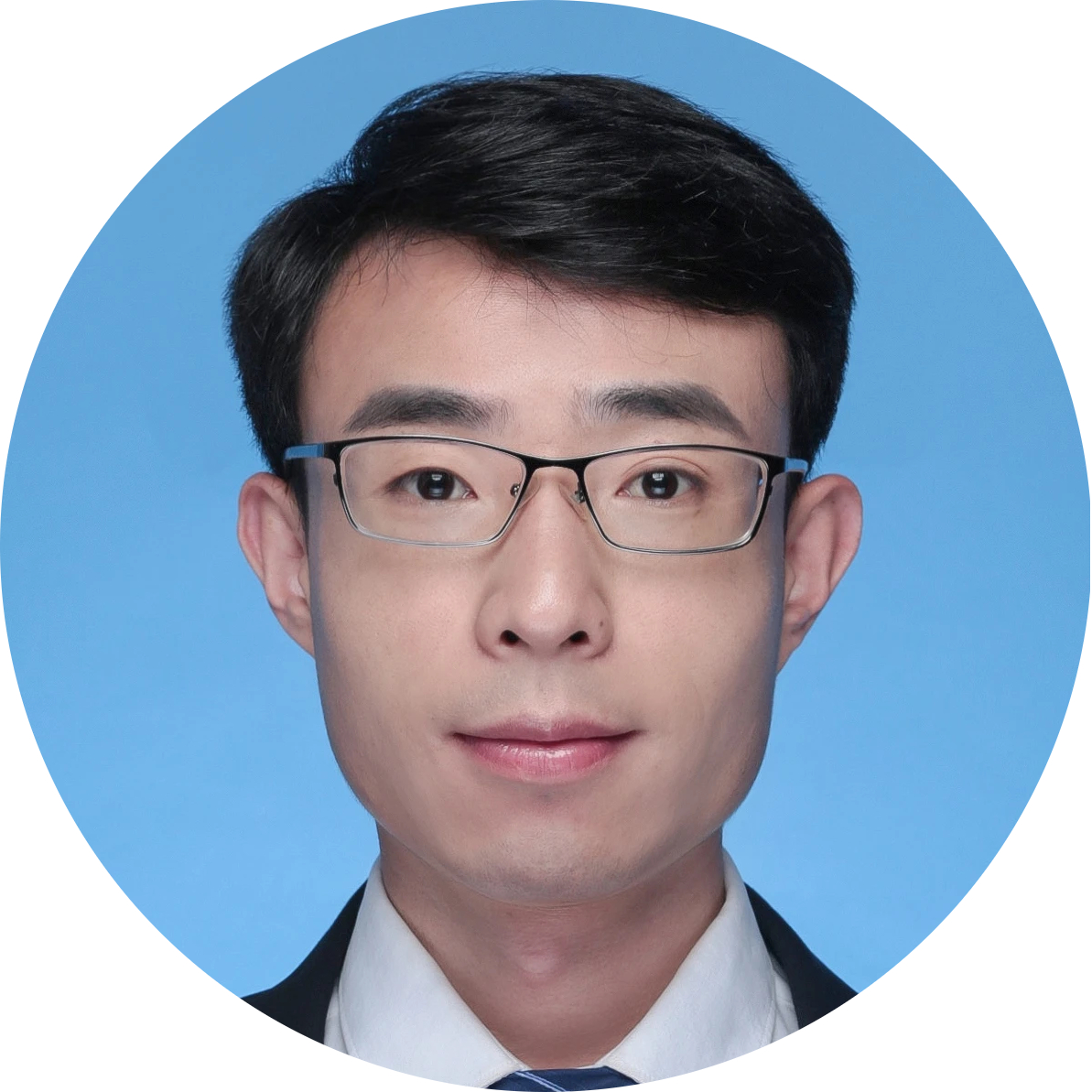 Assoc. Prof. Zhenguo Xu
Qufu Normal University, China
Bio: Xu Zhenguo, Postdoctoral Fellow in Education, Associate Professor and Assistant Dean at Qufu Normal University, is a “111” Leading Talent in Philosophy and Social Sciences of Shandong Province. He serves as Head of the “Educational Artificial Intelligence Innovation Team,” a Shandong Provincial University Youth Innovation Team, and as Deputy Director of the Shandong Provincial “Internet + Education” Application Research Base.
He has led more than ten national-level and provincial/ministerial-level research projects. He has published over 50 academic papers in journals indexed by SCI, SSCI, and CSSCI, authored two monographs, and served as editor-in-chief of one textbook. He received the Second Prize of the Shandong Provincial Award for Outstanding Achievements in Social Sciences as the first-ranked contributor, among other honors.
He also serves as a Standing Council Member of the Chinese Society for Inquiry Learning and an Expert Member of the Artificial Intelligence Professional Committee of the China Association for Educational Technology, among other academic appointments
 Assoc. Prof. Qiaoyun Chen
Nanjing Normal University, China
Bio: Chen Qiaoyun holds a Doctor of Education degree. She is currently an Associate Professor and Master’s Supervisor at the School of Education Science, Nanjing Normal University. Her primary research interests cover artificial intelligence in education, digital transformation of education, and technology-enabled reforms in educational evaluation.
She has published over 20 academic papers in core journals including E-Education Research, Open Education Research, and Journal of Nanjing Normal University (Social Science Edition). She has authored a monograph entitled Structure and Mechanism of University Teaching System and translated the book Higher Education in the Rapids.
She has presided over a number of research projects, including the Youth Project of the National Education Science Planning Program, the Major Philosophy and Social Science Research Project of Jiangsu Universities, and the General Project of Jiangsu Provincial Education Science Planning Program.
She serves as a member of the Youth Working Committee of the Information Technology Education Special Committee of the China Association for Educational Technology, and a director of the Labor and Technology Engineering Education Working Committee of the China Wisdom Engineering Association.